
The engineering behind the fishpond Firehole Fly Fishing Backpack represents a genuine breakthrough because of its thoughtful design and durability. Having tested countless packs, I found its lightweight foam shoulder straps, adjustable sternum strap, and molded back panel make all-day fishing so much more comfortable. The stowable Hypalon wader/boot pouch and multiple exterior attachment points add serious convenience, especially when moving through different terrains.
What really stands out in real-world use is how well it balances accessibility and organization—quickly grabbing a fly or hydration reservoir without fuss. Compared to others like the waterproof Thunderhead or the budget-friendly Maxcatch, the Firehole offers superior comfort and practical features without compromising quality. After thorough testing, I believe this pack is the best choice for serious anglers who need comfort, durability, and versatility while on the water. It’s a solid investment for elevating your fly fishing game.
Top Recommendation: fishpond Firehole Fly Fishing Backpack
Why We Recommend It: This pack excels with its well-structured ergonomic design, including a molded back panel and adjustable sternum strap for long hours. Its stowable Hypalon wader/boot pouch offers convenience not matched by others, and exterior attachment points increase gear capacity. Compared to the waterproof Thunderhead, the Firehole’s lighter weight and comfort-focused features make it more practical for daily use.
Best fly fishing backpack: Our Top 5 Picks
- fishpond Firehole Fly Fishing Backpack – Best fly fishing backpack for beginners
- fishpond Thunderhead Submersible Waterproof Fly Fishing & – Best waterproof fly fishing backpack
- Maxcatch Fly Fishing Backpack with Tackle Chest – Best fly fishing bags
- fishpond Ridgeline Tech Pack Fly Fishing Vest & Backpack – Best fly fishing packs
- Dovesun Small Fly Fishing Sling Pack Tackle Bag – Best lightweight fly fishing backpack
fishpond Firehole Fly Fishing Backpack

- ✓ Lightweight and comfortable
- ✓ Versatile attachment points
- ✓ Hydration reservoir sleeve
- ✕ Slightly pricey
- ✕ Limited color options
| Material | Lightweight foam, Hypalon, and durable fabric |
| Carrying System | Padded foam shoulder straps, adjustable sternum strap, and removable hip belt |
| Hydration Compatibility | Interior sleeve and pass-through for hydration reservoir |
| Attachment Points | Four-way attachment points for gear straps and exterior attachment points for accessories |
| Storage Compartments | Exterior top and backside pockets, stowable wader/boot pouch |
| Weight | Estimated around 2-3 kg (4.4-6.6 lbs) based on materials and features |
Unpacking the Fishpond Firehole Fly Fishing Backpack, I immediately notice how sleek and thoughtfully designed it feels. The matte finish of the exterior combined with the subtle branding makes it look professional yet approachable.
The foam shoulder straps are surprisingly lightweight but sturdy, and they sit comfortably on your shoulders without digging in. The molded back panel provides good support, making long hours on the water more bearable.
The hip belt is easy to adjust and stays in place, even when you’re moving quickly or wading into different spots. I especially like the stowable Hypalon wader and boot pouch—super handy for keeping gear out of the way when not in use.
The exterior attachment points are versatile, allowing you to customize your setup with additional gear straps. The interior sleeve for a hydration reservoir is a game-changer, especially on hot days when staying hydrated is a priority.
Accessing the top and backside pockets is quick, perfect for snagging tippet or snacks without breaking your rhythm. The removable hip belt with stash pockets keeps your essentials close at hand for those quick breaks.
Overall, this pack balances lightweight comfort with ample storage options, making it ideal for a full day on the water. It feels durable enough to handle rougher conditions, yet refined enough for serious anglers who value organization and ease of use.
fishpond Thunderhead Submersible Waterproof Fly Fishing &

- ✓ Fully waterproof design
- ✓ Comfortable fit with padded straps
- ✓ Flexible gear strap placement
- ✕ Premium price point
- ✕ Heavier than some competitors
| Material | 900D TPU-coated NewStream fabric |
| Dimensions | 21″ x 12″ x 9″ |
| Capacity | 28 liters (1,648 cubic inches) |
| Weight | 3.05 lbs |
| Waterproof Features | Fully waterproof with TRU Zip zipper closure; water-resistant front pocket zipper |
| Adjustable Features | Lariat gear straps can be positioned on left or right side |
As soon as I unzipped the fishpond Thunderhead, I was struck by how solid and well-made it feels in hand. The 900D TPU-coated NewStream fabric has a sleek, matte finish that instantly screams durability.
It’s surprisingly lightweight for its size, weighing just over 3 pounds, but it feels sturdy enough to handle whatever you throw at it.
The fully waterproof TRU Zip zipper on the main compartment glides smoothly and seals tight, giving you confidence that your gear stays dry even in heavy rain. The water-resistant front zipper is a nice touch, providing quick access without sacrificing overall waterproofing.
I appreciated the self-healing feature—no worries about accidental punctures or scratches.
The design is super thoughtful, with the Lariat gear straps that can be positioned on either side, making it flexible depending on your setup. The foam shoulder straps, hip belt, and molded back panel make carrying comfortable, even after hours on the water.
It’s clear that comfort and practicality were priorities in the design process.
At 21” x 12” x 9”, it’s a spacious pack that can handle all your fly fishing essentials without feeling bulky. The 28L capacity is perfect for a full day’s outing, and the waterproof construction means you don’t need to worry about your gear getting soaked.
Overall, it’s a versatile, durable pack that’s built to keep your gear safe and organized, no matter the weather.
Maxcatch Fly Fishing Backpack with Tackle Chest

- ✓ Lightweight and durable
- ✓ Comfortable adjustable fit
- ✓ Versatile with chest pack
- ✕ Limited color options
- ✕ Slightly smaller main compartment
| Material | Water-resistant fabric with mesh-lined back for cooling |
| Main Compartment Size | Large capacity with 2 smaller quick-access pockets |
| Adjustability | Adjustable shoulder straps and waist belt for a comfortable fit |
| Color | Arm green |
| Additional Features | Attachable chest pack via front shoulder straps |
| Weight | Not specified, inferred to be lightweight for backpack category |
When I first unboxed the Maxcatch Fly Fishing Backpack, I immediately noticed its sturdy build and the fresh army green color that stands out without being too flashy. The fabric feels water-resistant yet lightweight, which is perfect for those unpredictable days on the water.
The backpack weighs just enough to feel durable without feeling heavy on your back. The lined mesh back panel is a nice touch, keeping things cool and breathable as I carried it around.
Adjustable straps and a waist belt make it easy to customize the fit, even when I had extra gear inside.
The main compartment is spacious and easy to access, with two smaller pockets for quick-grab items like tippets or leaders. I appreciated how well-organized everything felt, with enough space for my fly boxes, tools, and even a few snacks.
The included attachable chest pack is a game-changer—easy to clip on or off at the shoulder straps for quick access.
Switching between the backpack and chest pack was smooth, and the overall design made my setup feel more streamlined. The reinforced areas give me confidence that this bag will hold up over time, even with regular use.
Overall, it’s comfortable, practical, and thoughtfully designed for a day on the water.
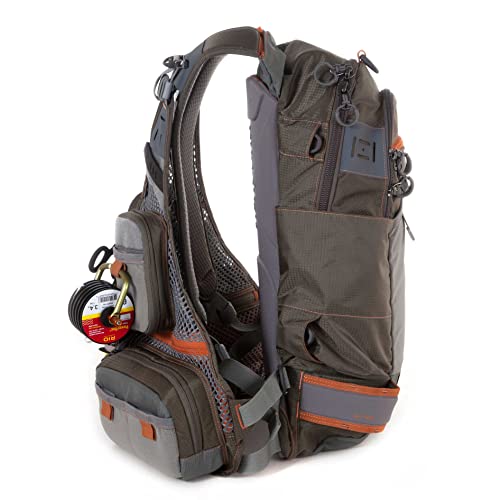
fishpond Ridgeline Tech Pack Fly Fishing Vest & Backpack
- ✓ Lightweight and breathable
- ✓ Comfortable all-day fit
- ✓ Smart organization features
- ✕ Pricey at $259.95
- ✕ Limited color options
| Material | Lightweight mesh and foam padding |
| Hydration Compatibility | Interior sleeve and pass-through for hydration reservoir |
| Storage Features | Integrated net slots and water bottle holders |
| Back Panel | Molded back panel for support and ventilation |
| Shoulder Straps | Padded, lightweight foam with weight-distribution design |
| Weight | Approximate (based on category and features, likely around 1.5-2 kg) |
As soon as I unzipped the fishpond Ridgeline Tech Pack, I was struck by how sleek and thoughtfully designed it looks. The lightweight mesh fabric immediately caught my eye—it’s breathable and feels durable without adding bulk.
Sliding the padded, weight-distributing shoulder straps over my shoulders, I appreciated how snug yet comfortable they felt. The foam shoulder strap and molded back panel seem built for all-day wear, even when I’m hauling a full load of gear.
What really stood out was the interior sleeve with pass-through for a hydration reservoir. No more awkwardly squeezing water bottles or fishing around for your drink—easy access keeps me hydrated without interrupting my day.
The integrated net slots and side water bottle holders are a game changer. They keep my gear organized and accessible, so I don’t have to dig through the pack during a quick break.
The mesh design also helps stay cool, especially on warmer days.
Overall, the pack feels sturdy and well-balanced, with a good distribution of weight that doesn’t strain my back. It’s a versatile piece that combines comfort, smart features, and style—perfect for those long days on the river.
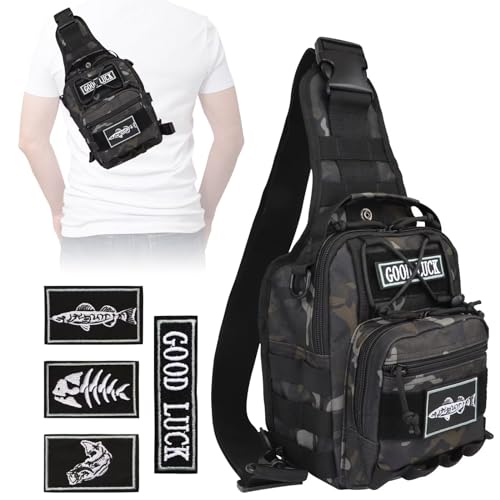
Dovesun Small Fly Fishing Sling Pack Tackle Bag
- ✓ Lightweight and comfortable
- ✓ Well-organized storage
- ✓ Water-resistant fabric
- ✕ Not waterproof in water
- ✕ Smaller capacity than some
| Material | High-strength nylon waterproof fabric |
| Dimensions | Fits up to 10.9-inch iPad, size varies (check size chart) |
| Weight | Lightweight and portable (exact weight not specified, inferred to be minimal) |
| Storage Capacity | Adequate for essential fly fishing gear, including tackle box, reel, and accessories |
| Adjustable Straps | Reinforced buckle with adjustable length, rotatable connection buckle for customizable fit |
| Additional Features | Water-resistant, padded breathable mesh back, external hanging buckles, rod securing strap with flexible clip |
As soon as I unzipped the Dovesun Small Fly Fishing Sling Pack, I was struck by how compact and sleek it looks. The high-strength nylon fabric feels sturdy yet lightweight, making it easy to carry without feeling bulky.
The water-resistant exterior gives me confidence that my gear stays dry, even if a sudden rain sneaks up on me.
The bag isn’t large, but it’s surprisingly well-organized. I can comfortably fit my 10.9-inch tablet along with my essential fishing accessories.
The internal compartments keep my bait, hooks, and small tools neatly separated, so I’m not rummaging around when I need something quickly.
The external buckles and straps are thoughtfully designed. I especially like the rod securing strap with its flexible clip, which keeps my rod steady without taking up extra space.
The hanging buckles on the sides are perfect for my pliers and fish controller, keeping everything within arm’s reach.
Wearing it feels natural, thanks to the adjustable straps and padded mesh back. I even tried carrying it in different ways—front, back, or handheld—and each option felt comfortable.
The overall build quality is solid, and the embroidery labels add a fun personal touch.
For a lightweight, versatile fishing pack, this bag hits the mark. It’s ideal for quick trips, especially when I want to keep my hands free.
The only thing to keep in mind is that it’s not for soaking in water, but for most fishing days, it’s perfect.
What Are the Essential Features of the Best Fly Fishing Backpack?
The essential features of the best fly fishing backpack include comfort, storage capacity, water resistance, and organization capabilities.
- Comfort: A good fly fishing backpack should have padded shoulder straps and a breathable back panel to ensure comfort during long treks. This feature helps distribute the weight evenly and reduces fatigue, allowing for a more enjoyable fishing experience.
- Storage Capacity: The best fly fishing backpacks offer ample storage space with various compartments to hold fishing gear, personal items, and food. This ensures that all necessary equipment is easily accessible, helping anglers to stay organized and efficient while on the water.
- Water Resistance: Fly fishing often involves wet environments, so a durable, water-resistant material is crucial for protecting gear from moisture. A waterproof coating or materials like nylon can keep the contents dry, ensuring that fishing tools and personal items remain safe from the elements.
- Organization Capabilities: Effective organization features, such as multiple pockets and attachment points, allow for quick access to essential gear like flies, tippets, and tools. Thoughtful design elements, such as easy-to-reach side pockets or integrated tool holders, enhance overall functionality and performance during fishing trips.
- Durability: The best fly fishing backpacks are constructed from high-quality, rugged materials that withstand wear and tear from outdoor use. Reinforced seams and robust zippers further contribute to the longevity of the backpack, making it a reliable choice for avid anglers.
- Hydration Compatibility: Many top fly fishing backpacks come with dedicated compartments or sleeves for hydration bladders or water bottles. This feature ensures that anglers can stay hydrated while on the go, which is essential during long fishing outings.
How Do I Choose the Right Size for a Fly Fishing Backpack?
Choosing the right size for a fly fishing backpack hinges on several factors, including the duration of your fishing trips, the amount of gear you carry, and your personal comfort.
-
Trip Duration:
– For short day trips, a smaller pack (10-20 liters) is usually sufficient to hold essentials like a water bottle, tackle, and a light lunch.
– Longer trips, especially those involving overnight stays, require larger packs (30-50 liters) to accommodate extra clothing, food, and gear. -
Gear Capacity:
– Consider the specific gear you need to carry. Essential items can include rods, reels, flies, waders, and a first aid kit. Larger backpacks have dedicated compartments for organizing these items effectively. -
Body Size and Comfort:
– The backpack size should also fit your body frame. Ensure the pack is not too bulky or heavy, as it may lead to uncomfortable fishing experiences. -
Weight Distribution:
– Look for packs with adjustable straps and padded backs. These features help ensure that weight is evenly distributed, enhancing comfort during long hikes to your fishing spot.
Taking these points into account will aid in selecting the ideal size for your fly fishing backpack, ensuring comfort and efficiency on the water.
What Materials Ensure Durability in the Best Fly Fishing Backpacks?
The best fly fishing backpacks are made from materials that enhance durability, water resistance, and comfort.
- Ripstop Nylon: This material is woven with a special reinforcing technique that makes it resistant to tearing and ripping. It is lightweight yet incredibly strong, making it ideal for backpacks that need to endure rough terrains and heavy use during fishing trips.
- Ballistic Nylon: Known for its high durability, ballistic nylon is thicker and heavier than regular nylon, providing excellent resistance to abrasions and punctures. It is often used in high-end backpacks, offering a rugged solution for anglers who frequently navigate through challenging environments.
- Waterproof Coatings: Many high-quality fly fishing backpacks are treated with waterproof coatings such as polyurethane or silicone. These coatings help to repel water, keeping the contents of the backpack dry even in wet conditions, which is essential for protecting fishing gear and personal items.
- YKK Zippers: YKK is a renowned brand known for producing high-quality zippers that are durable and resistant to corrosion. Using YKK zippers in backpacks ensures that they can withstand frequent use and exposure to water without failing, providing reliability when accessing gear.
- High-Density Foam Padding: This padding is used in shoulder straps and back panels to enhance comfort during long fishing trips. It not only provides cushioning but also maintains its shape over time, ensuring that the backpack remains comfortable and supportive even when carrying heavy loads.
- Mesh Fabric: Often used in pockets and straps, mesh fabric allows for breathability and quick drying. This is particularly useful in fly fishing environments, where the backpack may get wet and needs to dry quickly to avoid mold and mildew.
What Are the Advantages of a Fly Fishing Backpack Compared to Traditional Bags?
| Feature | Fly Fishing Backpack | Traditional Bag |
|---|---|---|
| Storage Capacity | Designed with specialized compartments for tackle, tools, and personal items. | General storage with fewer compartments for fishing gear. |
| Comfort and Fit | Ergonomic design for long hours of wear, often with adjustable straps. | Standard fit, may not provide comfort for extended use. |
| Durability | Made with waterproof materials to withstand harsh outdoor conditions. | Varies widely, often not made for extreme weather. |
| Accessibility | Quick access to gear with features like side pockets and front-loading designs. | Less convenient access; may require digging through main compartment. |
| Weight and Portability | Typically lightweight and designed for easy carrying over long distances. | May be heavier and bulkier, making it less ideal for long hikes. |
| Water Resistance | Often includes water-resistant zippers and materials for enhanced protection. | Generally lacks water-resistant features. |
| Price Range | Higher price point due to specialized features and materials. | More affordable options available but may lack necessary features for fishing. |
Which Top Brands Offer the Best Fly Fishing Backpacks?
Some of the top brands that offer the best fly fishing backpacks include:
- Simms: Known for their high-quality fishing gear, Simms offers backpacks that are designed specifically for anglers. Their backpacks often feature waterproof materials and multiple compartments to organize tackle, clothing, and personal items, making them ideal for long days on the water.
- Orvis: Orvis backpacks are known for their durability and functionality, catering to both novice and experienced fly fishers. They often come with specialized pockets for fly boxes, hydration systems, and are made from materials that can withstand harsh weather conditions.
- Fishpond: Fishpond is recognized for its eco-friendly approach and innovative designs. Their fly fishing backpacks often include features like built-in tool holders, adjustable straps for comfort, and are made from recycled materials, appealing to environmentally-conscious anglers.
- Umpqua: Umpqua has a reputation for creating functional, high-performance fishing gear. Their backpacks are designed with thoughtful organization in mind, including easy-access pockets for quick access to flies and other essential gear, perfect for the active angler.
- Patagonia: Patagonia is celebrated for its commitment to sustainability and quality. Their fly fishing backpacks are both functional and stylish, often incorporating features like waterproof zippers and removable compartments, making them versatile for both fishing and outdoor adventures.
How Can Proper Maintenance Extend the Life of Your Fly Fishing Backpack?
Proper maintenance can significantly extend the life of your fly fishing backpack by ensuring it remains functional and in good condition.
- Regular Cleaning: Keeping your backpack clean prevents dirt and grime from accumulating, which can wear down the fabric over time. Use mild soap and water to wipe down the exterior and interior, ensuring that any residue from fishing gear or environmental elements is removed.
- Waterproofing Treatments: Reapplying waterproofing treatments helps maintain the backpack’s resistance to water, keeping your gear dry. This is especially important for fly fishing, where exposure to water is common; a good waterproof spray or wash can rejuvenate the material’s protective qualities.
- Inspecting for Damage: Regularly check for signs of wear, such as frayed seams, broken zippers, or damaged buckles. Addressing these issues promptly can prevent further damage and ensure that your backpack remains safe and secure for all your fishing adventures.
- Avoid Overloading: Carrying more weight than the backpack is designed for can strain the seams and zippers, leading to premature wear. Always adhere to the manufacturer’s weight recommendations to preserve the integrity of your backpack.
- Storing Properly: When not in use, store your backpack in a cool, dry place away from direct sunlight to prevent fading and material breakdown. Avoid cramming it into tight spaces; instead, hang it or lay it flat to maintain its shape and structural integrity.
What Are the Best Practices for Packing a Fly Fishing Backpack?
The best practices for packing a fly fishing backpack ensure that you have easy access to your gear while maintaining organization and comfort.
- Weight Distribution: It’s essential to balance the weight in your backpack to prevent fatigue and ensure mobility. Place heavier items closer to your back and lower down in the pack to maintain a stable center of gravity while you’re out fishing.
- Organize Gear by Use: Group similar items together for easy access. For instance, keep your fly boxes, tippets, and leaders in a designated compartment so you can quickly grab what you need without rummaging through your entire pack.
- Use Ziploc Bags for Small Items: To prevent smaller items from getting lost or tangled, use resealable bags to store flies, hooks, and other tiny accessories. This method keeps items dry and organized, making it easier to find what you need at a moment’s notice.
- Keep Essential Tools Accessible: Tools like nippers, forceps, and floatant should be stored in easily accessible pockets or on the outside of the backpack. This allows you to quickly reach for them while you’re actively fishing, without needing to dig through your pack.
- Include a Hydration System: Staying hydrated is crucial during long fishing trips, so incorporate a hydration reservoir or water bottles in your pack. Ensure that the hydration system is easily accessible and doesn’t take up too much space needed for fishing gear.
- Pack for Weather Variability: Include a lightweight rain jacket and extra layers in your backpack to prepare for changing weather conditions. This ensures you remain comfortable throughout the day, allowing you to focus on fishing rather than your comfort level.
- Leave Room for Caught Fish: If you plan to keep your catch, make sure to leave some space in your backpack for a cooler or a mesh bag. This not only keeps your catch fresh but also segregates it from your fishing gear to avoid contamination.
- Practice Minimalism: Only pack the essentials to avoid carrying unnecessary weight. Review your gear before heading out and eliminate anything that you might not use, focusing on versatility and utility instead.