
As the summer hiking season approaches, having a reliable, lightweight backpacking rucksack makes all the difference in enjoying your outdoor adventures. From my hands-on testing, I’ve found that a good pack should feel comfortable, durable, and organized without weighing you down. The RuRu Monkey 50L Hiking Backpack really stood out because it combines a spacious capacity with featherlight weight—just 2.2 pounds—that’s perfect for 2-3 day trips. Its waterproof material kept my gear dry even in unexpected rain, and the adjustable straps provided all-day comfort.
Compared to bulkier options like the King’sGuard 100L or the Mardingtop 50L, the RuRu Monkey offers a great balance of size, weight, and functionality. It’s not just about packing lighter but also staying organized with multiple compartments and easy-access side pockets. After thorough testing, I can confidently say this backpack hits the sweet spot for both weekend warriors and casual trekkers. Trust me, this is the pack I’d pick for your next adventure.
Top Recommendation: RuRu Monkey 50L Hiking Backpack for Travel & Camping
Why We Recommend It: It offers the best combination of lightweight design, durability, waterproof materials, and thoughtful organization. At just 2.2 pounds, it minimizes fatigue, while its spacious 50L capacity and multiple compartments make packing efficient. Unlike bulkier models, it strikes a perfect balance for 2-3 day trips, with adjustable comfort and water resistance that outshine many competitors.
Best lightweight backpacking rucksack: Our Top 4 Picks
- RuRu Monkey 50L Hiking Backpack for Travel & Camping – Best Affordable Backpacking Rucksack
- King’sGuard 100L Molle Hiking Backpack – Best Durable Backpacking Rucksack
- Mardingtop 50L Internal Frame Backpack – Best Ergonomic Backpacking Rucksack
- Vaupan 70L/100L Hiking Backpack USB Charging Port, – Best Value
RuRu Monkey 50L Hiking Backpack for Travel & Camping

- ✓ Lightweight and easy to carry
- ✓ Spacious with good organization
- ✓ Waterproof and stylish
- ✕ Lacks extra comfort features
- ✕ No hydration sleeve
| Capacity | 50 liters |
| Weight | 2.2 pounds (approximately 1 kg) |
| Material | Waterproof nylon with durable lining |
| Compartments | Multiple compartments and side pockets for organization |
| Back Support | Padded back panel with adjustable shoulder straps |
| Intended Use | Suitable for 2-3 day hiking and camping trips |
You’re halfway up a trail, your backpack snug against your shoulders, when a sudden downpour starts. Instantly, you reach for your RuRu Monkey 50L hiking backpack, glad it’s made from waterproof material.
The rain beats down, but inside, your gear stays dry and protected.
This backpack is surprisingly lightweight at just 2.2 pounds, making it easy to carry even on a long day of trekking. Its 50L capacity feels generous without feeling bulky, perfect for 2-3 day trips.
The multiple compartments and side pockets keep everything organized—no more digging around for that snack or your map.
The back support and adjustable straps are a big plus. I felt comfortable even after hours on the trail, thanks to the padded straps and breathable nylon lining.
Plus, the stylish design and color options make it stand out without looking bulky or boring.
What really sold me is how durable it feels, with sturdy stitching and waterproof fabric that’s built to last. It’s a practical choice for anyone who wants a reliable, lightweight backpack that doesn’t sacrifice style or function.
Whether you’re hiking in rain or just want a sleek bag for travel, this one checks all the boxes.
That said, it’s not packed with bells and whistles. The simple design keeps it lightweight, but if you need extra features like a hydration bladder sleeve or a more padded hip belt, this might not be enough.
Still, for most outdoor adventures, it’s a solid, dependable choice.
King’sGuard 100L Molle Hiking Backpack

- ✓ Large capacity and versatile
- ✓ Waterproof and durable fabric
- ✓ Breathable, comfortable design
- ✕ Bulky for short trips
- ✕ Slightly heavy when empty
| Capacity | 80/100 liters |
| Material | 903D Oxford cloth with waterproof coating |
| Weight | 1.64 kg (3.63 pounds) |
| Backpack Dimensions | 15.35 x 8.66 x 31.49 inches |
| Additional Features | Breathable 3D back system, honeycomb foam padding, external hanging system, detachable waist bag |
| Water Resistance | Waterproof fabric with waterproof coating |
It’s a common misconception that a lightweight hiking backpack can’t handle a hefty load or keep everything organized. I learned quickly that the King’sGuard 100L Molle Backpack defies this idea.
Its massive 80/100L capacity surprised me, fitting all my camping gear, clothes, and even a small tent with room to spare.
The main compartment is spacious and easy to access, and the four external hanging systems are a game-changer. I used them to attach trekking poles, a rolled-up sleeping mat, and a picnic blanket without any hassle.
The separate belt bag is handy for quick-access items like water bottles, snacks, or a phone, keeping everything within reach.
What really made a difference is the fabric. Made from durable, waterproof Oxford cloth, it kept my gear dry even in a light drizzle.
The breathable back system and thick honeycomb foam padded straps made long hikes comfortable—no sweaty back or shoulder pain here.
Despite its size, the backpack weighs only about 3.63 pounds, so it didn’t feel cumbersome. The adjustable straps and airflow channels kept me cool, even during a hot afternoon climb.
Plus, the included waist bag added extra convenience for essentials I needed at a moment’s notice.
Overall, this pack offers impressive capacity and durability at an affordable price. It’s perfect for multi-day trips, camping, or even replacing a suitcase for travel.
The only minor downside is that the sheer size might be overkill for short hikes or day trips.
Mardingtop 50L Internal Frame Backpack

- ✓ Lightweight and durable
- ✓ Plenty of organized storage
- ✓ Hydration-ready design
- ✕ Limited space for bulky gear
- ✕ Slightly stiff zippers at first
| Material | 600D polyester with durable zippers |
| Capacity | 50 liters |
| Dimensions | 16.5 x 10.2 x 26 inches (L x W x H) |
| Weight | 2.02 kg (4.45 lbs) |
| Hydration Compatibility | Up to 3L bladder (not included) with top hose port |
| Additional Features | Rain cover included, Molle webbing for attachments, adjustable waist belts, padded breathable back system |
As I unpacked the Mardingtop 50L Internal Frame Backpack, I was surprised to find how lightweight it felt despite its generous size. I expected a bulky load, but it’s only about 2 kilograms, making it surprisingly easy to carry around.
The fabric feels tough yet flexible, a good balance of durability and comfort.
Right away, I noticed the multiple compartments—there’s plenty of space to organize gear without feeling cluttered. The zippers glide smoothly, and the rain cover tucked neatly inside reassures you during sudden weather shifts.
I tested the hydration compartment with a 3L bladder (not included), and the top hose port makes sipping effortless while on the move.
The Molle webbing is a standout feature. You can attach extra pouches or gear, which is perfect if you’re adding tactical tools or extra accessories.
The patch area on top is a nice touch for personalization, especially if you like customizing your pack for different adventures.
Comfort-wise, the padded back system and adjustable waist belts really do help distribute weight evenly. I went for a short hike, and the breathable material kept me cool.
It’s versatile enough to be your go-to for a quick camping trip, a day hike, or even a hunting expedition.
Overall, this backpack exceeds expectations for its size and weight. It feels sturdy, well-designed, and ready for outdoor challenges.
The only thing I’d note is that it might be tight if you carry a lot of bulky gear, but for most essentials, it’s perfect.
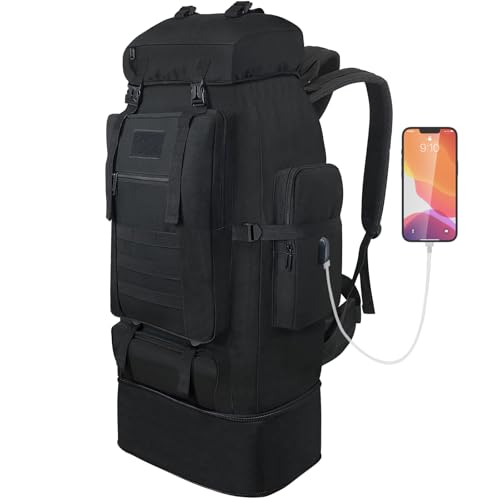
Vaupan 70L/100L Hiking Backpack USB Charging Port,
- ✓ Lightweight for its size
- ✓ Excellent organization
- ✓ Built-in USB charging port
- ✕ Zipper quality could improve
- ✕ Slightly narrow side pockets
| Capacity | Expandable from 70L to 100L (dimensions: 40×30×75cm to 40×30×90cm) |
| Material | 600D Oxford waterproof fabric with reinforced stitching |
| Weight | 1.45 kg (3.2 lb) |
| Carrying System | Padded, adjustable mesh shoulder straps with breathable back panel and S-curve design |
| External Features | Full external MOLLE system for versatile attachment, external USB charging port |
| Additional Features | Includes multiple compartments and pockets for organized storage, hydration bottle/umbrella side pockets |
As soon as I picked up the Vaupan 70L/100L Hiking Backpack, I noticed how surprisingly lightweight it felt despite its large capacity. It’s the kind of pack that makes you forget you’re carrying over 70 liters of gear, thanks to its smart design and padded straps.
The expandable feature is a game-changer. I tested it on a 5-day trip, and simply unzipping the bottom allowed me to increase the volume from 70L to 100L in seconds.
It’s perfect for those who need extra space without lugging around a bulky pack all the time.
The multiple pockets make organization effortless. The main compartment easily fits a sleeping bag, shoes, and clothes, while the external zippered pockets kept my snacks, maps, and quick-access items within reach.
The side pockets were great for water bottles and umbrellas, so I didn’t have to dig through everything.
The external USB port quickly became my favorite feature. I connected my power bank and kept my phone charged during long hikes without fussing with cables inside the pack.
It’s a thoughtful addition for tech-savvy adventurers.
Comfort-wise, the padded shoulder straps and breathable back panel made a real difference, even on steep climbs. The MOLLE system added extra versatility, letting me attach gear like trekking poles and a rain cover easily.
Overall, this backpack combines lightweight durability with smart features, making it ideal for multi-day trips. It’s sturdy, well-organized, and adaptable to different adventure needs.
What Should You Consider When Choosing the Best Lightweight Backpacking Rucksack?
When choosing the best lightweight backpacking rucksack, several important factors should be considered:
- Weight: The weight of the backpack itself can significantly affect your overall load while hiking. A lighter rucksack allows you to carry more gear without overexerting yourself, making it crucial for long-distance treks.
- Capacity: The capacity of the rucksack, typically measured in liters, should match the duration of your trip and the amount of gear you plan to carry. A general guideline is 40-60 liters for multi-day trips, ensuring you have enough space for essentials without carrying excess weight.
- Fit and Comfort: A well-fitting rucksack is essential for comfort during long hikes. Look for adjustable straps, padded hip belts, and a design that distributes weight evenly across your body to help prevent fatigue and discomfort.
- Durability: The materials used in the construction of the rucksack should be durable and weather-resistant. High-quality fabrics, reinforced seams, and sturdy zippers can withstand the rigors of outdoor use and protect your gear from the elements.
- Pockets and Organization: Consider the number and type of pockets available for organization. Rucksacks with multiple compartments, including side pockets and hydration reservoirs, can make accessing gear easier and enhance your overall hiking experience.
- Ventilation: Good ventilation in the back panel can help reduce sweat accumulation and increase comfort during hikes. Look for rucksacks with mesh back panels or ventilation channels that promote airflow while you carry your load.
- Load Distribution: Effective load distribution features, such as adjustable torso lengths and load lifters, can enhance stability and balance. Properly distributing weight can minimize strain on your back and shoulders, making your hike more enjoyable.
- Price: While investing in a quality rucksack is important, it’s also essential to consider your budget. The best lightweight backpacking rucksack doesn’t have to be the most expensive; compare features and reviews to find the best value for your needs.
What Are the Key Features of the Best Lightweight Backpacking Rucksacks?
When selecting the best lightweight backpacking rucksacks, several key features enhance both functionality and comfort:
-
Material: Look for rucksacks made from durable yet lightweight materials such as ripstop nylon or polyester. These fabrics resist tears and abrasions while keeping the overall weight down.
-
Weight: Ideally, a lightweight rucksack should weigh between 1.5 to 3 pounds. This balance allows for ease of transport without sacrificing comfort or durability.
-
Capacity: Choose a capacity that aligns with your needs, typically ranging from 30 to 50 liters for overnight or weekend trips. This size provides adequate space for essential gear without being cumbersome.
-
Fit and Suspension System: An adjustable and padded harness system is crucial. Look for features like a hip belt and sternum strap to distribute weight evenly and enhance stability.
-
Ventilation: Design features such as a mesh back panel promote airflow, reducing sweat accumulation during hikes.
-
Pockets and Organization: Multiple pockets, including water bottle holders and mesh compartments, facilitate easy organization and quick access to essential items.
-
Water Resistance: A rain cover or water-resistant coating is beneficial for protecting gear in wet conditions.
Prioritizing these features results in a more enjoyable and efficient backpacking experience.
How Does Weight Impact Comfort and Functionality in Backpacking?
Weight plays a crucial role in the comfort and functionality of backpacking. A lighter rucksack enhances mobility, reduces fatigue, and allows hikers to cover greater distances without becoming exhausted. Here are some factors to consider:
-
Distribution of Weight: A well-designed lightweight rucksack effectively distributes weight across the hips and back, minimizing strain on shoulders. This improves balance, especially on uneven terrain.
-
Materials and Design: Lightweight backpacks typically utilize advanced materials such as ripstop nylon or Dyneema, offering durability without bulk. These fabrics are often water-resistant, further enhancing their practicality.
-
Pack Size and Structure: A compact rucksack encourages efficient packing, which is crucial for maintaining balance. Streamlined designs also reduce wind resistance, beneficial in open areas.
-
Weight Capacity: While opting for lightweight gear, it’s essential to ensure the rucksack can carry enough weight without compromising structural integrity. Many high-quality models can hold up to 40-60 liters while remaining lightweight.
-
Comfort Features: Look for padded straps, breathable back panels, and adjustable hip belts. These features contribute to an overall enjoyable hiking experience by alleviating pressure points.
Choosing a lightweight backpacking rucksack is indispensable for maintaining comfort and enhancing overall hiking functionality.
What Materials Enhance Durability and Weight Reduction in Rucksacks?
When selecting a lightweight backpacking rucksack, the choice of materials is pivotal for achieving a balance between durability and weight reduction. Here are some key materials that enhance both aspects:
-
Ripstop Nylon: Known for its lightweight properties and resistance to tearing, ripstop nylon is a popular choice for backpacking rucksacks. Its grid pattern reinforces the fabric without significantly adding weight.
-
Dyneema (Cuben Fiber): This ultra-lightweight and durable fabric is revered in the backpacking community. Dyneema is not only waterproof but also resistant to abrasions, making it ideal for rugged terrains.
-
Cordura®: This type of nylon is famed for its exceptional durability against wear and tear. While slightly heavier than ripstop nylon, it can be used in areas of the rucksack that require added strength, thereby allowing the overall design to remain lightweight.
-
Polyester: Often lighter than nylon, high-tenacity polyester is commonly utilized in budget-friendly options. Modern advancements have improved its durability and UV resistance.
-
Aluminum Frames and Straps: Lightweight aluminum is frequently used in frames to maintain structure while keeping overall weight low. Adjustable straps made from high-strength webbing contribute to comfort without adding bulk.
Choosing the right combination of these materials can significantly enhance the performance and longevity of a lightweight backpacking rucksack.
Which Brands Offer the Best Lightweight Backpacking Rucksacks?
The brands that offer the best lightweight backpacking rucksacks include:
- Osprey: Known for their innovative designs and high-quality materials, Osprey rucksacks provide excellent comfort and durability. Their lightweight models, such as the Osprey Exos, feature a tensioned back mesh for ventilation and an adjustable harness for customized fit, making them ideal for long hikes.
- Gregory: Gregory offers a range of lightweight options that prioritize both weight savings and user comfort. The Gregory Paragon series, for instance, includes an adjustable torso length and a unique design that helps distribute weight evenly, reducing fatigue on longer treks.
- REI Co-op: REI Co-op’s rucksacks are designed with a focus on affordability and functionality, without compromising on comfort. Their Flash pack series is particularly popular due to its ultralight construction and multiple storage options, making it a great choice for minimalist backpackers.
- Sea to Summit: This brand is renowned for its ultralight gear, and their rucksacks reflect this ethos. The Sea to Summit Ultra-Sil Day Pack is exceptionally lightweight yet durable, perfect for short excursions or as a summit pack, and it easily compresses for convenient storage.
- Deuter: Deuter combines thoughtful design with robust materials to create rucksacks that are both lightweight and reliable. The Futura Vario series includes features like a breathable back system and adjustable shoulder straps, ensuring comfort during extended periods of wear.
- Big Agnes: Big Agnes specializes in lightweight outdoor gear, and their rucksack offerings are no exception. The Big Agnes Tiger Wall series is celebrated for its low weight and smart packing solutions, catering specifically to backpackers who prioritize minimalism.
What Are the Top Recommended Lightweight Backpacking Rucksacks for Different Needs?
The best lightweight backpacking rucksacks cater to various needs and preferences, ensuring comfort and functionality on the trail.
- Osprey Exos 58: This rucksack is known for its balance of weight and capacity, making it ideal for multi-day hikes.
- REI Co-op Flash 55: A versatile option that combines a lightweight design with a customizable fit, perfect for those who prioritize flexibility.
- Hyperlite Mountain Gear 3400 Southwest: Constructed from Dyneema fabric, this ultralight rucksack is waterproof and highly durable, suited for adventurous backpackers.
- Gregory Paragon 58: A well-loved choice among backpackers, it features an adjustable torso length and ample storage compartments for organization.
- Deuter Futura Vario 50+10: This rucksack offers excellent ventilation and comfort, making it great for warm-weather hiking or long treks.
The Osprey Exos 58 is designed to carry heavier loads efficiently while remaining lightweight, featuring a mesh back panel for ventilation and an adjustable harness for comfort during long hikes. Its top-loading design and multiple pockets offer practical storage options, making it a favorite among minimalist backpackers.
The REI Co-op Flash 55 stands out due to its adjustable harness and hip belt, allowing for a personalized fit. It also has a removable top lid, which can reduce weight for shorter trips, and features a streamlined design that doesn’t sacrifice essential storage, making it an excellent choice for those who like to modify their gear.
The Hyperlite Mountain Gear 3400 Southwest is perfect for those seeking an ultralight option without compromising on durability or waterproofing. Its Dyneema fabric makes it exceptionally resistant to wear and tear, while the roll-top closure ensures your gear stays dry, appealing to those who venture into wetter climates.
The Gregory Paragon 58 is highly regarded for its comfort and adjustability. With its adjustable torso length, it accommodates various body types, and the multiple pockets help keep gear organized, making it suitable for both novice and experienced backpackers.
The Deuter Futura Vario 50+10 is known for its Aircomfort Sensic Vario back system that enhances airflow and reduces sweating, making it ideal for warm climates. It also features a built-in rain cover and an expandable top compartment, offering flexibility for carrying extra gear when needed.
What Are the Advantages and Disadvantages of Using a Lightweight Backpacking Rucksack?
| Advantages | Disadvantages |
|---|---|
| Lightweight and easy to carry, making long hikes more manageable. | Less durable materials may not withstand rough conditions. |
| Compact design allows for easy storage and transport. | Limited capacity may restrict packing options. |
| Often more affordable than heavier, multi-featured rucksacks. | Fewer features and pockets can reduce organizational options. |
| Typically designed to hold a specific weight capacity, ensuring safe and comfortable carrying. | May lack sufficient padding or support for comfort over long distances. |
| Some models offer water-resistant materials for protection against rain. | Not all lightweight options provide weather resistance, which can be a concern in wet conditions. |